Built to Last: The JPSS Boundary Wall Takes Shape
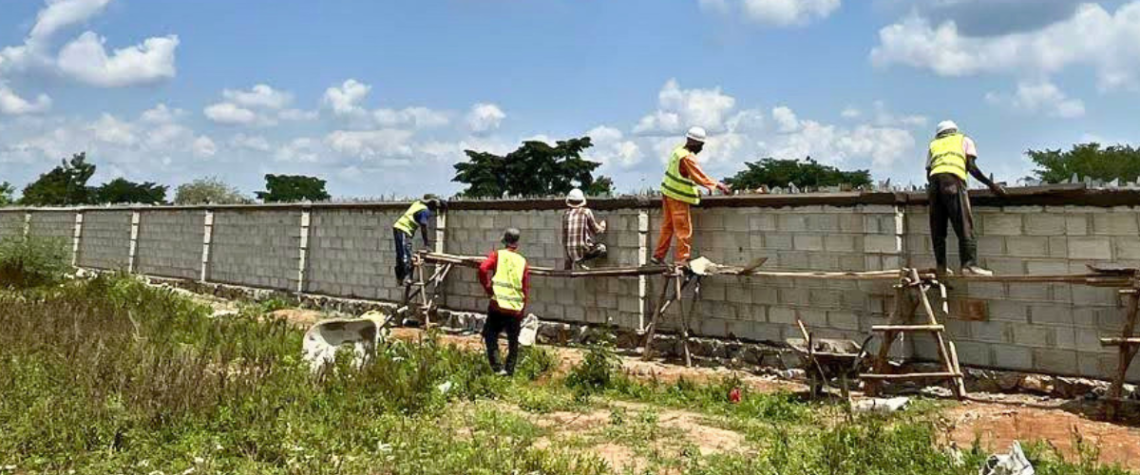
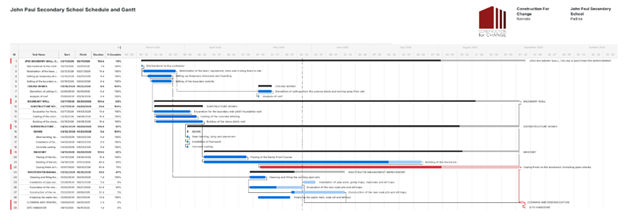
Something remarkable is rising along the perimeter of John Paul Secondary School. The boundary wall project is now 78% complete, with the team on track to finish by the end of June 2026, a full two months ahead of the original schedule.
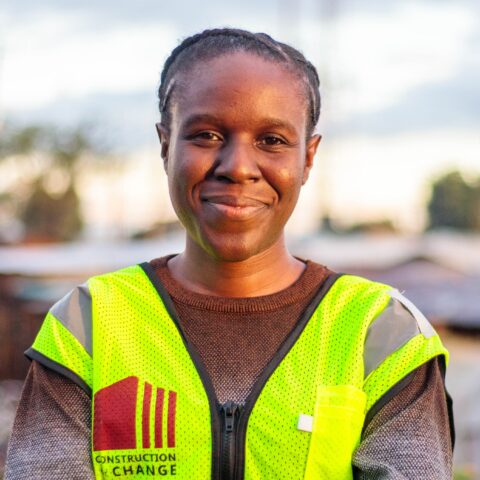
Overseeing the entire construction effort on campus is Lillian Namugaya, FOJPS’s Owner’s Engineer and on-site construction manager from Construction for Change. Lillian coordinates directly with the construction firm, monitors weekly progress, and keeps our team in Michigan informed every step of the way. We love that we have a talented woman in this leadership role and we know it doesn’t go unnoticed by the 400+ young women at JPSS who walk past the construction site every day.
This wall didn’t begin with a blueprint dropped in from somewhere else. It began with boots on the ground. In December 2025, Spencer Engineers Limited, a Kampala-based civil engineering firm, spent a full day walking the entire campus boundary with school administrators, studying the soil, measuring the topography, and looking closely at every feature of the land. What they found shaped a design uniquely suited to this specific piece of ground in Eastern Uganda.
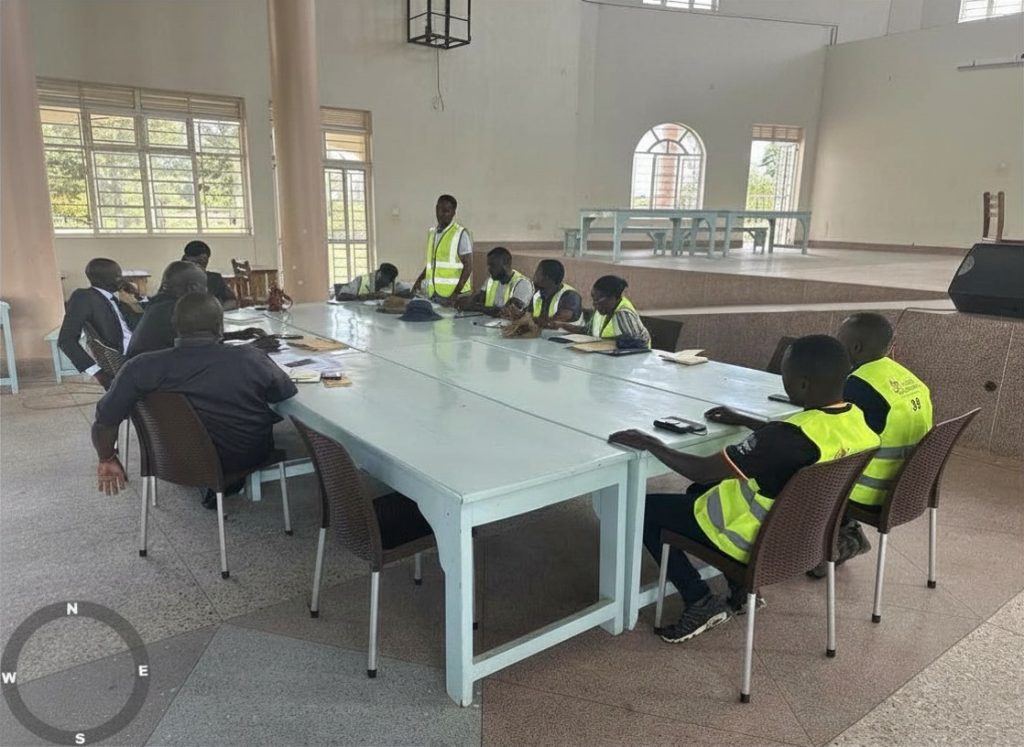
The campus perimeter spans nearly one mile of wall. Along most of that boundary, the soil is the characteristic reddish-brown lateritic clay of Eastern Uganda, well-suited to the strip foundations the engineers designed. But near the main gate, something else entirely rises from the ground: the massive granite boulders that have long been a landmark of the JPSS campus. Those boulders could have been a serious construction challenge. Instead, the engineering team turned them into an advantage.
Rather than working around the rock, Spencer Engineers developed a method to incorporate the boulders directly into the wall’s foundation. A reinforced concrete beam is seated on the rock itself, and the blockwork rises from there, built slightly higher in these sections so the full 8-foot height is reached above rock level. Where the boulder rises to full wall height, the rock becomes the wall, anchored by granite that has stood on that ground for centuries.
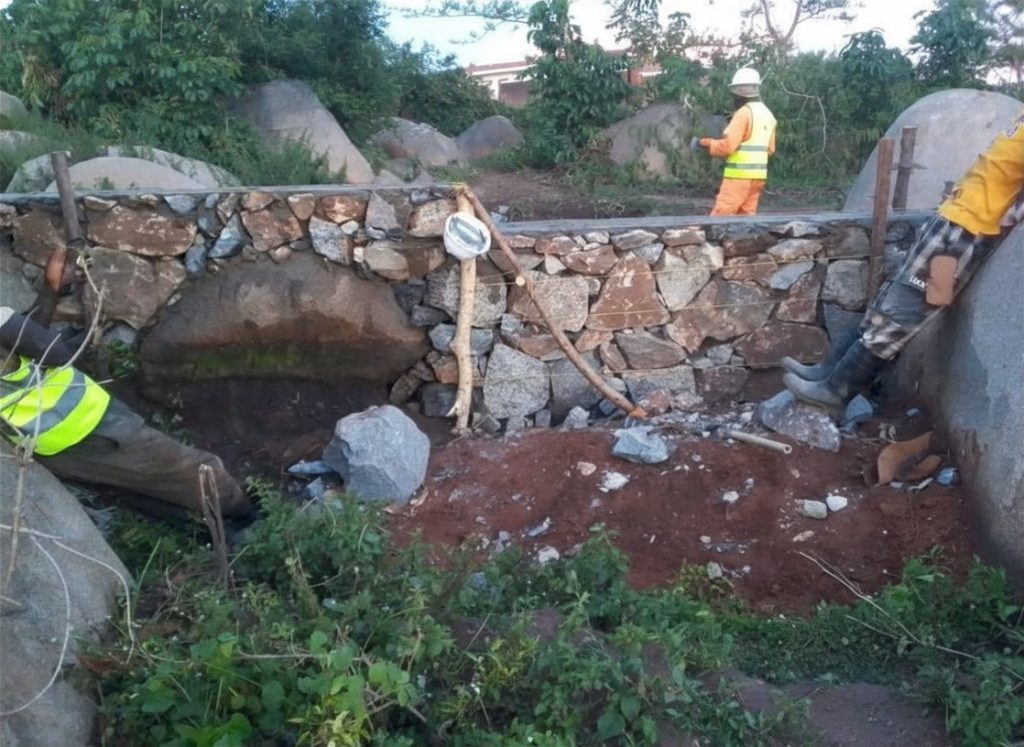
This isn’t just smart engineering, it also preserves the character of the campus. Those boulders are part of what makes JPSS feel like JPSS, and they remain visible and integrated into the finished wall rather than displaced or buried.
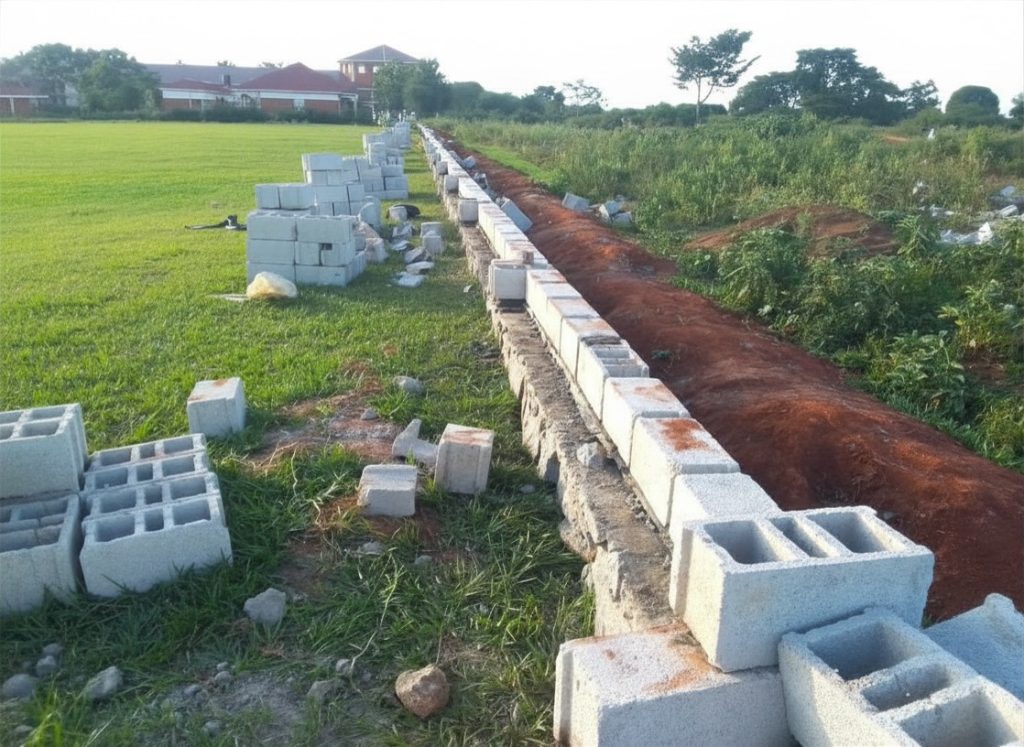
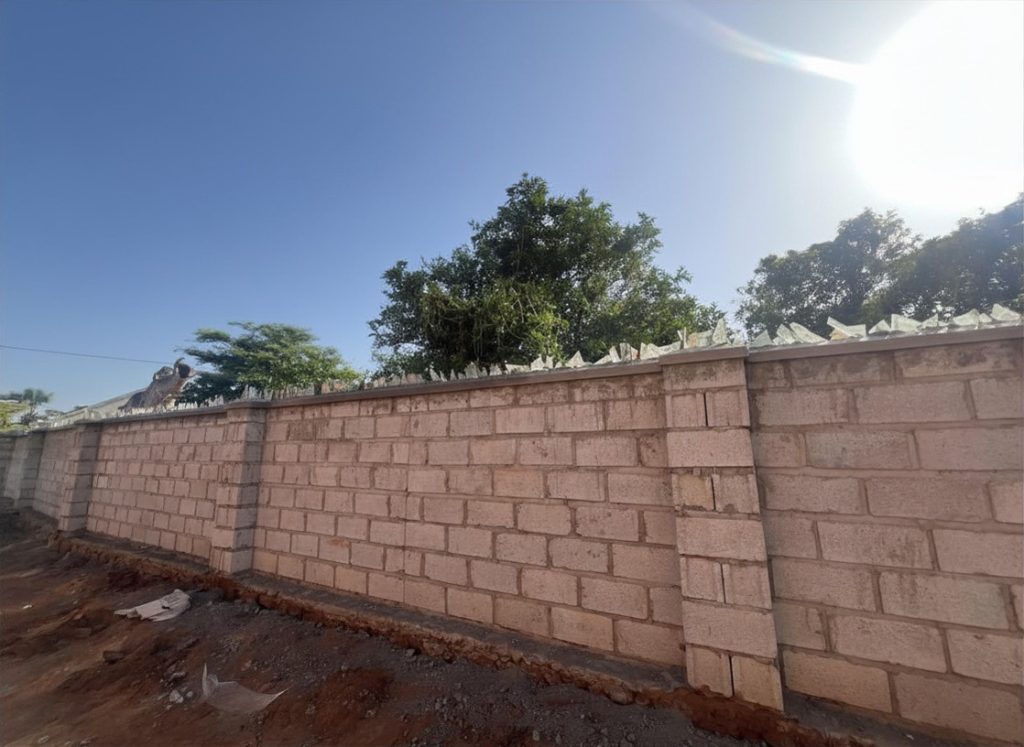
Everywhere the wall rises on standard soil, it follows a carefully layered design built for strength and longevity. A stone plinth foundation at the base protects against moisture and termites, common challenges in this climate. Above it, 8-inch hollow concrete blocks rise to a full 8 feet, reinforced with substantial concrete piers every 13 feet along the wall’s entire length.
At the very top, a mortar coping embedded with glass shards provides an effective security deterrent, a standard and practical finish for perimeter walls throughout the region.
Security doesn’t end at sundown. When construction is complete, 75 solar-powered lights mounted on 18-foot poles will be installed around the interior perimeter of the wall. The lights require no electrical infrastructure and will keep the campus safely illuminated through the night — a meaningful upgrade for students, staff, and the school community.
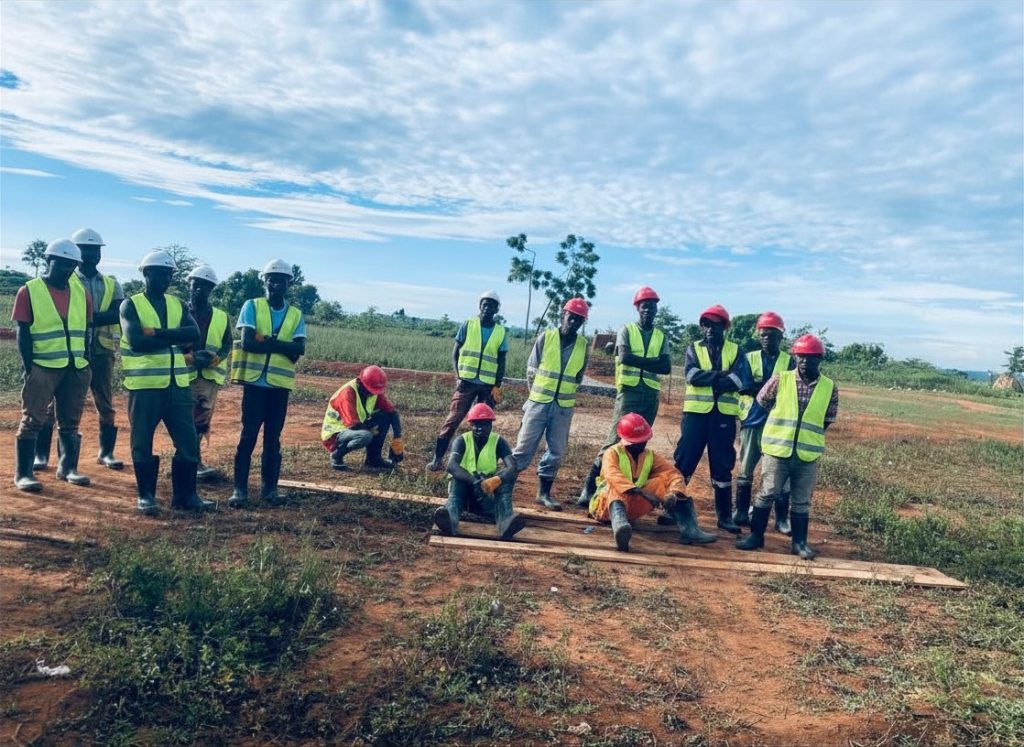
The wall project is delivering benefits well beyond the campus boundary. Spencer Engineers has brought in more than 20 local workers from the Chelekura area to support construction, putting wages directly into the hands of community members. And the majority of the concrete blocks being used are manufactured right in Pallisa, the nearest town, keeping procurement local and supporting the regional economy.
The project is managed with close professional oversight including project tracking, weekly written progress reports and a regularly updated photo album so supporters can follow along in real time.
The finish line is just weeks away and it is arriving two months early. That kind of performance on a nearly one-mile construction project in rural Pallisa District reflects the quality of planning, the skill and dedication of the team on the ground, and the sustained generosity of donors who believed this was worth building. Thank you for helping build something that will stand on this land, in this community for a very long time.