Beating the Odds: The JPSS Difference
A recent article in the Ugandan Sunday Monitor gives Uganda’s education system an “F” grade, citing the most serious failures at the pre-primary and primary school levels, where children’s learning foundations are formed. Uganda currently spends 2.7% of its Gross Domestic Product (GDP) on education. By comparison, the United Nations Educational, Scientific and Cultural Organization recommends that countries spend 4 – 6% of GDP on education; the U.S. spends 5.5 – 5.8% GDP.
The World Bank measures a country’s education and health outcomes using the Human Capital Index (HCI). This index estimates how productive a child born today is likely to be as an adult, on a scale from 0 to 1, based on factors such as child survival to age five, school enrollment/years of schooling, how much students actually learn, nutrition and health indicators and adult survival rates.
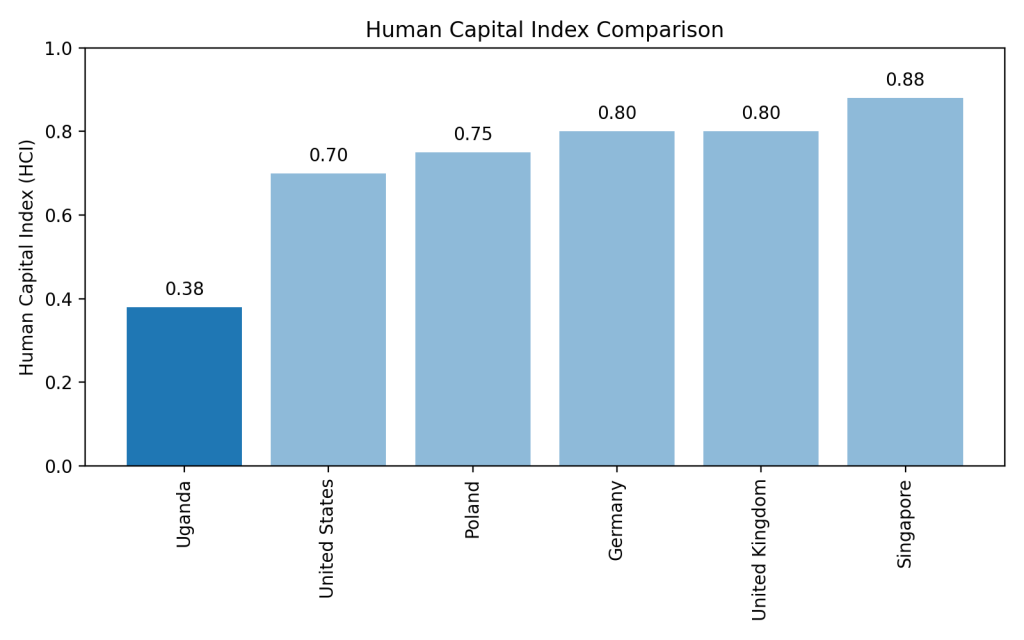
Uganda’s HCI score is a dismal 0.38, meaning that children born today are expected to reach only 38% of their full productivity potential as adults.
The learning outcomes behind this score are alarming

Only 43% of Primary 6 (U.S. 7th grade) students can read at a basic level

Only 58% can solve simple math problems

Just 60% of students complete Primary 7 (U.S. 8th grade)
Uganda introduced Universal Primary Education in 1997 to remove tuition fees and expand access. While enrollment increased, the policy failed to account for rapid population growth, overcrowded classrooms, teacher shortages, hidden costs for families, and poor learning quality. As a result, education is far from “free” for most families. Today, for every 1,000 Ugandan shillings the government spends on education, families pay about 1,400 shillings out of pocket. This burden falls hardest on poor and rural households, forcing many children, especially girls, to drop out. In fact, by Primary 3, rural students are 37% more likely to be illiterate than urban students
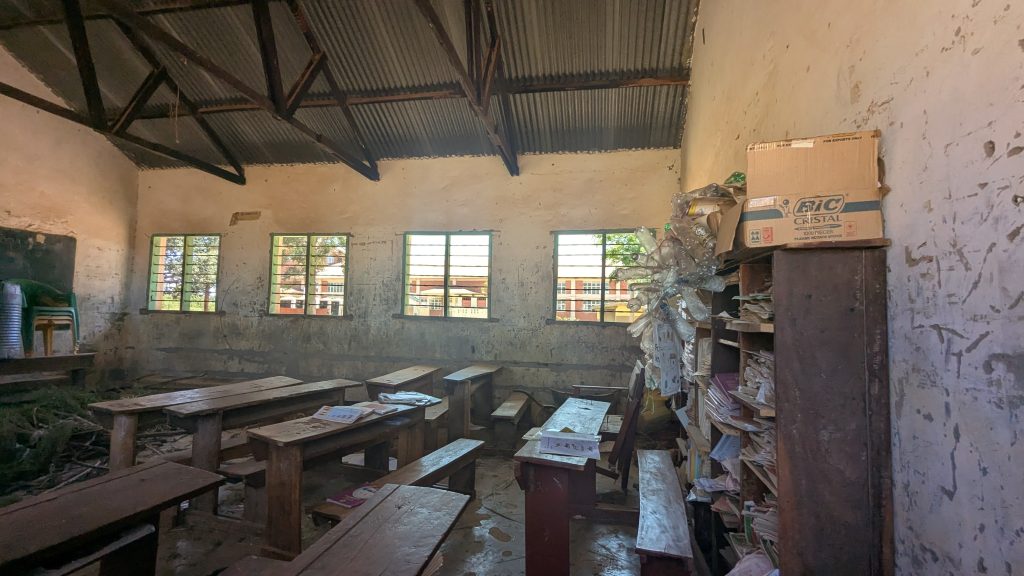
Finally, Uganda’s 22-month COVID-19 school shutdown, one of the longest in the world, is expected to worsen these challenges for years to come, especially for children who were already at risk of falling behind.
This is precisely why JPSS is so critical to the Pallisa district of Uganda
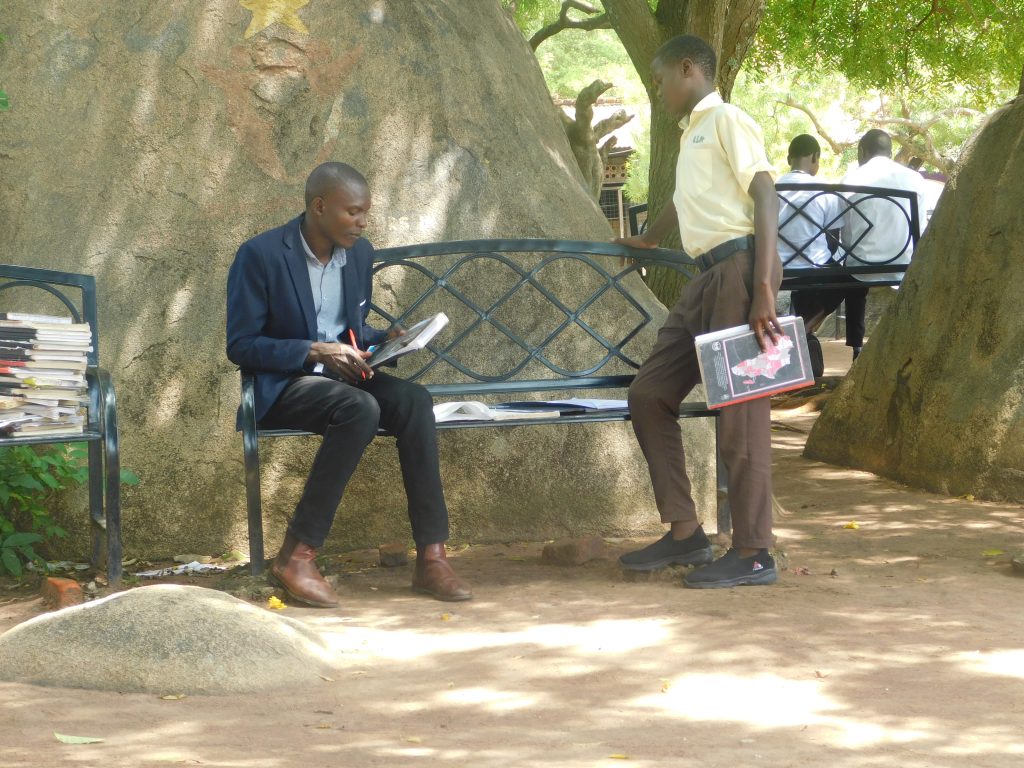
As a secondary school, John Paul Secondary School (JPSS) serves students who have demonstrated academic aptitude, motivation, and promise, many of whom come from primary schools that were under-resourced and unable to fully prepare them to meet national standards.
JPSS intentionally meets students where they are, then closes learning gaps through targeted tutoring, remedial instruction, and structured academic support, especially in core subjects such as mathematics, the sciences and computer technology. These interventions are paired with special programs like between-term prep programs for our testing classes, take-home study materials for each class level, daily before and after-class tutoring and preps, and close teacher mentorship designed to rebuild foundational skills while accelerating learning.
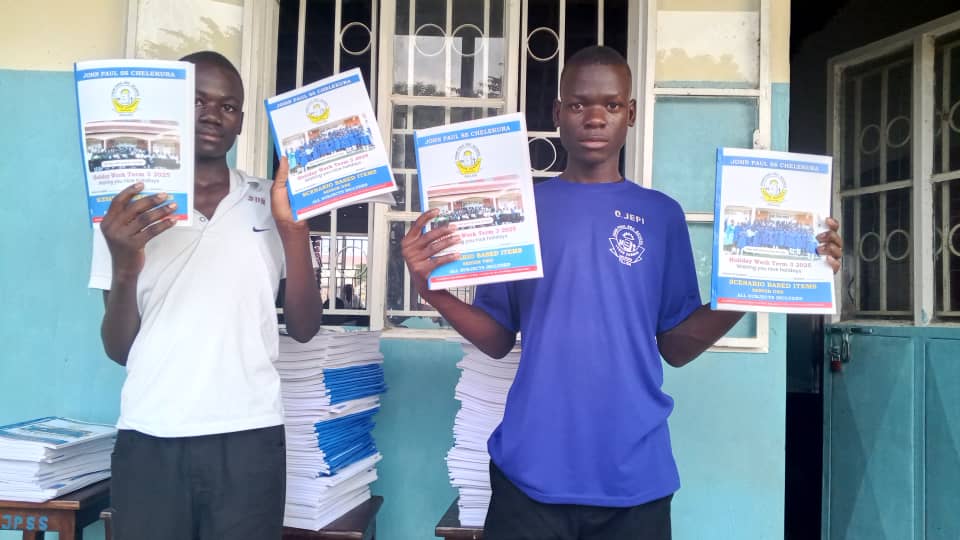
As a result, JPSS does more than help students catch up, it enables them to surpass national education benchmarks. In fact, since 2019, JPSS has enabled this rural low-income district to jump from bottom 50% of the country to top 15% in national testing performance. This approach transforms early academic potential into measurable achievement, expanding students’ opportunities for higher education, professional training, and long-term economic mobility. And through our six-year JPSS Hungerford Scholarship and University Sponsorship programs, this opportunity becomes attainable, even for students from the most disadvantaged backgrounds.
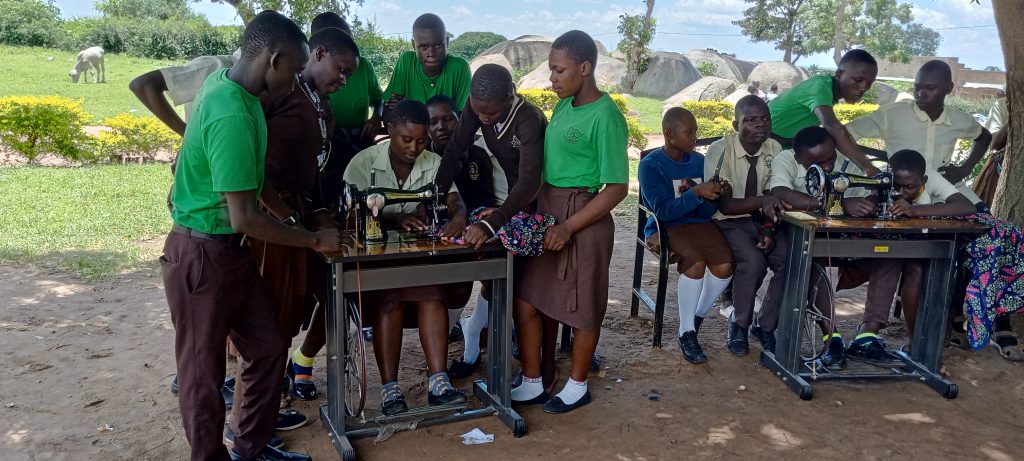
John Paul Secondary School is working to close Uganda’s productivity gap. Join us in turning an “F” into a Future for these children.